



Talk about volume: every year approximately six million bottles of Soave are produced in the Veneto region of northeastern Italy. This region actually offers some interesting characteristics for fine wine production. The original zone included volcanic hills, and that’s a good sign. Much of the soil was poor but well drained, another good sign for fine wine. But over forty years ago the region was expanded to include the nearby fertile plain, trading quantity for quality. If you want Soave from the original area look for Soave Classico DOC on the label. And expect to pay more. There are other issues in Soave wine production including the grapes and the trellising system used to grow them.
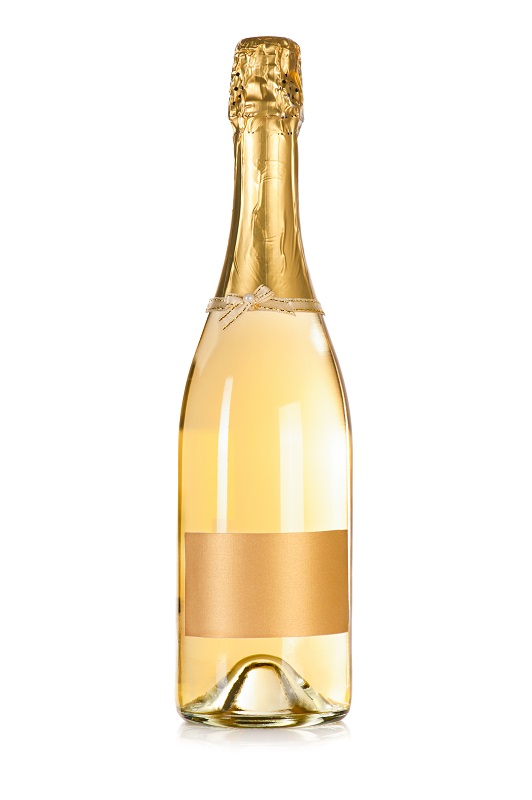
Soave’s major grape is the local Garganega white grape but up to 30% of other grapes including Chardonnay may be used. This particular wine contained 80% Garganega and 20% Trebbiano. Was it Trebbiano di Soave or the less highly regarded Trebbiano Toscano? If I knew I would tell you. By the way, on the web I saw prices much lower than what I paid. Since starting this column several months ago I have unearthed several excellent bargains. Will this be another one?
Let’s start with the marketing materials. Tasting Note: Pale straw color; light citrus aromas; crisp citrus and mild almond flavors; crisp, dry finish. Serving Suggestion: Aperitif; finger foods; shellfish. And now for my review.
The first sips were very light with the taste of green apples. The Soave offered refreshing acidity and was quite short. My initial meal involved chicken and potatoes baked in a commercial honey and garlic barbecue sauce. The wine was slightly sweet. I still had the feeling of weakness; it wasn’t at all like the subtlety of some white wines that seem weak but hide their power. On the positive side I did get some citrus and the acidity cut the meal’s grease. Fresh pineapple did not bring out the wine’s citrus.
I started the second meal with matjes herring. The wine offered fresh acidity but it was somewhat short and there wasn’t much fruit. Then I went to a whole wheat lasagna with ground beef, peas, and a mild tomato salsa but no cheese. The wine picked up some strength and tasted of citrus. I added extra salsa but it didn’t make a difference. Perhaps a spicier salsa…
The final meal included a meatless eggplant, mushroom, and tomato stew over rice and green beans in a tomato sauce. The Soave was fleeting at first but did improve over time and tasted of green apples, green in more ways than one. Paired with a high-quality French style lemon pie whose crust brimmed with butter, the wine lost its acidity and frankly, it didn’t have much else.
I finished the tasting with two cheeses. The first cheese was a brick. The Soave wine was very light but tasted of apples. With a sheep’s milk feta cheese the wine was still weak but definitely gained some strength and did linger.
Final verdict. I won’t buy this wine again. I would be very careful before buying another Soave, even one with a much higher price tag. They can do better. But will they?
Levi Reiss has authored or co-authored ten books on computers and the Internet, but to be honest, he would
rather just drink fine Italian or other wine, accompanied by the right foods. He teaches classes in computers at an Ontario
French-language community college. His wine websites include
www.theworldwidewine.com
and http://www.wineinyourdiet.com
Visit his website devoted to Italian travel
www.www.travelitalytravel
Feel free to reprint this entire article which must include the resource box