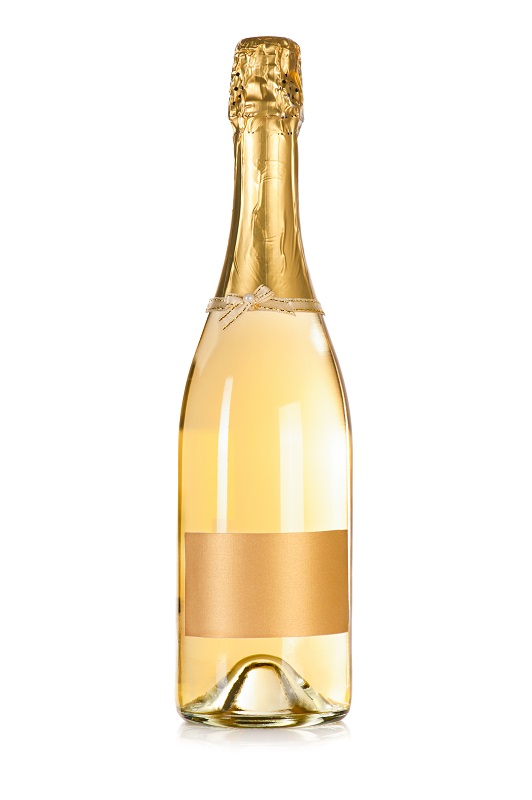


Languedoc-Roussillon is a major wine producing area in southern France, just west of Provence. It was not particularly known for quality wines, but thanks in part to Australian wine makers, times are changing. J. P. Chenet was founded in 1984; by 1992 they were producing 400 thousand cases a year. They are now the best selling French wine brand, in their own words with a “world wine” style. Chenet sells 3 liter in a box wine and other different packaging. If you ask me, I would rather recycle glass bottles. Today’s wine is made from a blend of 70% Cinsault and 30% Grenache grapes. Both these red grape varieties are widely planted in the region, and not usually associated with fine wines except for the pricey Chateauneuf-du-Pape. But we aren’t looking at a pricey wine here, au contraire. The companion wine is a Bandol AOC rosé made from Mourvèdre and these two grapes in neighboring Provence at twice the price.
There were no marketing materials so let’s start by quoting the web site. Soil: The soil here is very diverse: clay-limestone, sand, schist and gravel. Wine-making: Grapes harvested at peak ripeness, destemmed and trodden. Short maceration at low temperatures followed by pressing and filtering of the musts. Fermentation at low temperatures to preserve the powerful aromas. Matured at low temperatures in steel vats. Service: This wine is best served at a temperature between 10 and 12°C. Food matching: A rosé to enjoy on its own or to accompany a variety of dishes, including cold cuts, barbecues, braised ham and salads. To drink young. And now for my review.
At the first sips I tasted cherries. The wine presented refreshing acidity. The initial meal centered on an omelet brimming with chilies. This rosé had citrus acidity tasting of white grapefruit. It had medium length. With kasha (buckwheat groats) it was more powerful. In response to okra, stewed tomatoes, and garlic it became even more powerful.
My next meal was a commercial shepherd’s pie. This pink blend was almost like a soda pop, but not quite so sweet. A liberal dousing with Louisiana hot sauce brought about almost no change. Light, almost frothy, meringue cookies caused the acidity to step up.
My final meal was a boxed eggplant parmiagana on which I sprinkled lots of grated parmesan cheese. The rosé presented pleasant acidity and tasted of light grapefruit and not much else. It attempted to echo the taste of dessert, fruit juice candy.
The cheese tasting was preceded with Matjes herring. At first the wine was pale and slightly sweet, and later floral with strawberry taste. In response to sharp cheddar cheese the rosé was pale with pleasant acidity. When it met Swiss cheese, it stepped up but only a bit.
Final verdict. I won’t be buying this wine again. The pairings were too hit and miss. But if you like a fairly inexpensive rosé, you might pick up a bottle or two for the season.
Access the companion wine A Bandol RoséLevi Reiss has authored or co-authored ten books on computers and the Internet, but to be honest, he would
rather just drink fine Italian or other wine, accompanied by the right foods. He teaches classes in computers at an Ontario
French-language community college. His wine websites include
www.theworldwidewine.com
and http://www.wineinyourdiet.com
Visit his website devoted to italian travel
www.travelitalytravel.com
Feel free to reprint this entire article which must include the resource box