




A Northwest Argentina Torrontes

Said to be the best area for Argentina's signature white grape...

Tilia Torrontes

Tilia Torrontes in moderate priced wine

Argentina’s signature white grape is the Torrontes, grown all over the country and virtually nowhere else. Argentina exported almost a quarter million cases of Torrontes-based wine to the US in 2010, an increase of almost 600% in only six years. Today’s wine comes from the Mendoza region in the country’s northwest, said to be the best place for Torrontes. The vineyards are exposed to warm sunny days and cool desert nights. The Tilia winery (don’t get confused with a Slovenian winery of the same name) has been around since 2006. The companion wine is an inexpensive Torrontes from the Famatina Valley in northwest Argentina.

OUR WINE REVIEW POLICY All wines that we taste and review are purchased at the full retail price.

Wine Reviewed
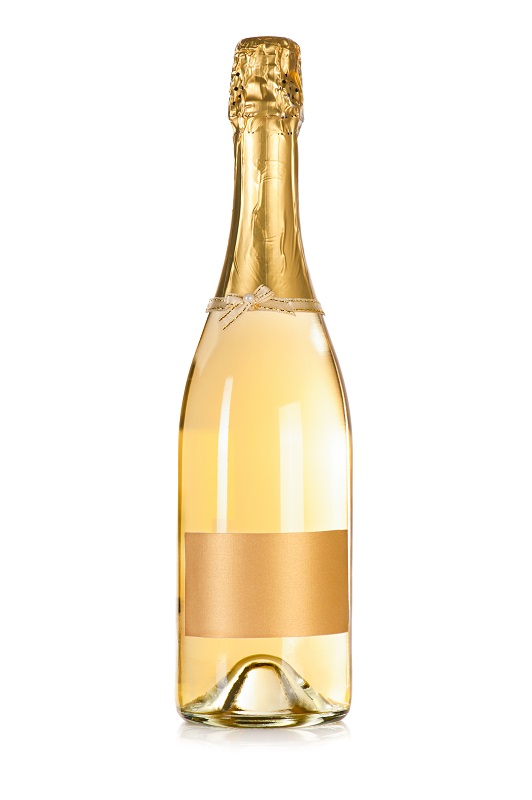
Tilia Torrontes 2009 13.5% alcohol about $12

There were no marketing materials so let’s quote the back label. “Tilia, the Latin name for Linden, is a traditional tree throughout the wine country of Mendoza. For generations, local vineyard workers have used flowed to make a relaxing herbal tea after a long day’s work among the vines. The Tilia Torrontes comes from the heart of Torrontes country, Salta, Argentina. The warm sunny days and cool mountain nights produce intensively aromatic Torrontes that is crisp and refreshing. With intense floral and delicate perfumed aromatics, the Tilia Torrontes shows ripe citrus and apricot fruit and finishes with bright clean acidity. Tilia Torrontes is perfect as an aperitif, and also makes a wonderful match with light seafood dishes.” And now for my review.

Argentina Torrontes Grapes

Argentina Torrontes Grapes in moderate priced wine

At the first sips this wine offered acidity and apricots that were not fully ripe. The initial meal centered on a honey-garlic barbecued chicken breast. This wine responded with powerful citrus and some caramel. When paired with the side dish of potatoes roasted in chicken fat, the wine’s fruit stepped to the back but its acidity was refreshing. Upon meeting the green beans in tomato sauce, the libation’s citrus lightened. Fresh strawberries for dessert rendered the Torrontes long with the taste of white grapefruit.

My next meal’s main dish was a boxed eggplant parmigiana that I doused with Romano cheese. The Torrontes started out as before but as the meal continued it picked up a metallic character and yet was light and refreshing. With Japanese rice crackers it was lemony and very long. In reaction to delicious cheesecake the wine was fleeting and yet lengthy.

My final meal was an omelet with basil, marjoram, and parsley. Now this wine was light with caramel. Upon meeting roasted eggplant this Argentine picked up some force and sweetness lurked in the background. They say wines tend not to pair well with salad but a spinach, arugula, and beet leaf salad rendered the wine long and round.

The tastings ended with two cheeses. In the presence of a marbled cheddar cheese the Torrontes was long with raw acidity and a touch of sweetness. A slice of goat’s milk cheese containing figs rendered the wine long, but that was it.

Final verdict. I won’t be buying this wine again. It almost made it. As I was finished this review and its companion I found a recent New York Times Internet review of 20 Torontes wines. I won’t be rushing to do the same.

Access the companion wine A Wine Lover's Weekly Review Of $10 Wine - A Southwest Argentina Torrontes

About the Author

Levi Reiss has authored or co-authored ten books on computers and the Internet, but to be honest, he would rather just drink fine Italian or other wine, accompanied by the right foods. He teaches classes in computers at an Ontario French-language community college. His wine websites include
www.theworldwidewine.com    and    http://www.wineinyourdiet.com

Visit his website devoted to Italian travel www.travelitalytravel.com

Feel free to reprint this entire article which must include the resource box