



Culinary Delights

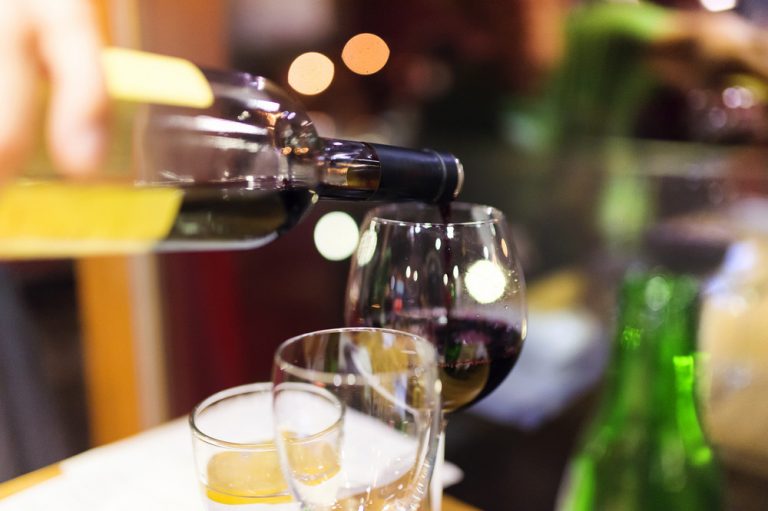
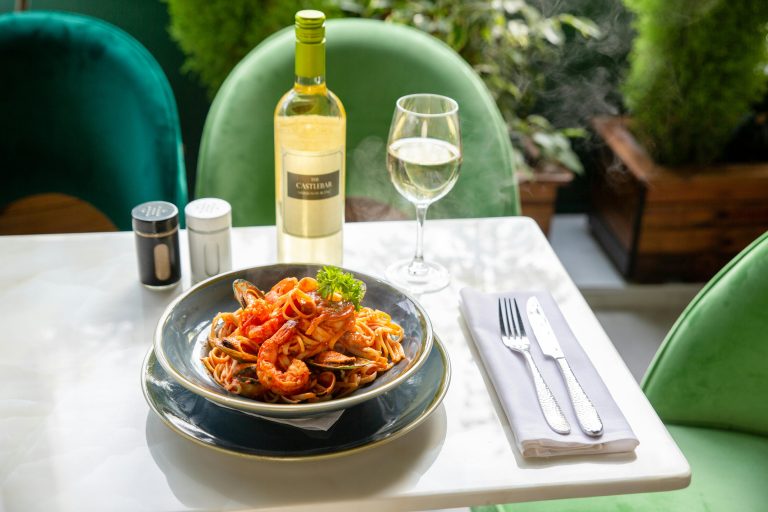
The Best Drinks to Order in a Cozy Restaurant

Highlights: Hot drinks like cocoa, cider, and herbal tea amplify a cozy dining experience. Classic cocktails such as Hot Toddy, Irish Coffee, and Old Fashioned suit intimate restaurant settings. Non-alcoholic drinks with warm spices or steamed milk keep everyone included.…
Wanderlust Travel

How Food & Travel Enthusiasts Can Settle Down & Start a Family
Plan in advance to accommodate family needs while maintaining your…

5 Tips to Make Your Travels More Memorable
Immerse yourself in the local culture by learning the basics…
Wine Destination

How to Open an Outdoor Wine Tastings Bar
Introduction Opening an outdoor wine tastings bar offers a unique…

Outdoor Adventures for Thrill-Seekers: Adventure Tours and Off-Roading
This guide provides information about various extreme tours that offer…
Never Miss A Post!
Sign up for free and be the first to get notified about updates.