




B as in...
Click to access wine tasting glossary pages:
A B
C D
E F
G H
I J
L
M N
O P
Q
R S
T U
V W
Y Z
If you are challenged when trying to describe a wine's bouquet, why not buy a
wine bouquet wheel?
Backbone
Full-bodied highly
acidic or
highly
tannic
red wines have backbone.
Backward
A backward wine holds on to its youthful characteristics in
the face of considerable
aging.
Additional aging may generate a better wine.
Baked
A wine is called baked when it smells or tastes cooked. This
problem often occurs in hot climates, where the grapes are overripe or
the
must
is
oxidized.
Producers address this problem by harvesting earlier in the season, harvesting at
night, and cold fermentation. Note that in some wines such as Madeira a baked taste
may be positive.
Balanced
In a balanced wine the major components; namely
acidity, fruit,
sugar and
tannins
coexist in harmony. Balanced wines usually
age well.
Barnyard
The term barnyard refers to a certain, unmistakable
aroma that may indicate dirty
barrels or unsanitary wine making facilities. However, a little bit of barnyard
may be considered positive for some red Burgundies and other fine wines.
Beefy
A beefy red wine is chewy or
chunky.
As you may well imagine, there are no beefy white wines.
Berrylike
Berrylike wines suggest the taste of berries including blackberries,
black or red cherries, cranberries, raspberries, and strawberries.
This characteristic is usually associated with young, unoaked or lightly
oaked
wines. Zinfandel often produces berrylike wines.
Big
A big wine is a
full-bodied wine
and leaves you with an intense feeling. Big reds
tend be
tannic. Big whites usually are high in
alcohol and
glycerol.
Biscuity
Some mature Champagnes have a biscuity bouquet. This is considered a positive
characteristic. Are there negative characteristics in Champagne?
Bitter
Bitter is one of the four basic tastes. Bitterness often comes
from
tannins.
If well integrated with other taste components, bitterness is a
positive characteristic. Gewurztraminer and Muscat grapes often produce
somewhat bitter wines.
Black currant
Red Bordeaux often give the sensation of black currants.
Blind tasting
In a blind tasting the judges evaluate wines without knowing beforehand anything
about them. Needless to say, all competitive wine tastings are blind tastings.
Blowzy
A blowzy wine has an exaggerated fruity
aroma.
This characteristic may be appealing
in inexpensive wines, but is considered clumsy in better wines.
Body
This refers to the texture of a wine in your mouth. Full-body
wines tend to be high in
alcohol and
glycerol.
Bouquet
The bouquet refers to the more highly evolved smell of a mature wine in contrast to
the
aroma which is the smell of a young wine.
Brawny
A brawny wine is a flavorful,
full-bodied
wine containing high levels of
alcohol
and
tannins.
Almost by definition, brawny wines are not elegant or refined.
Sometimes the term tooth-stainers is used.
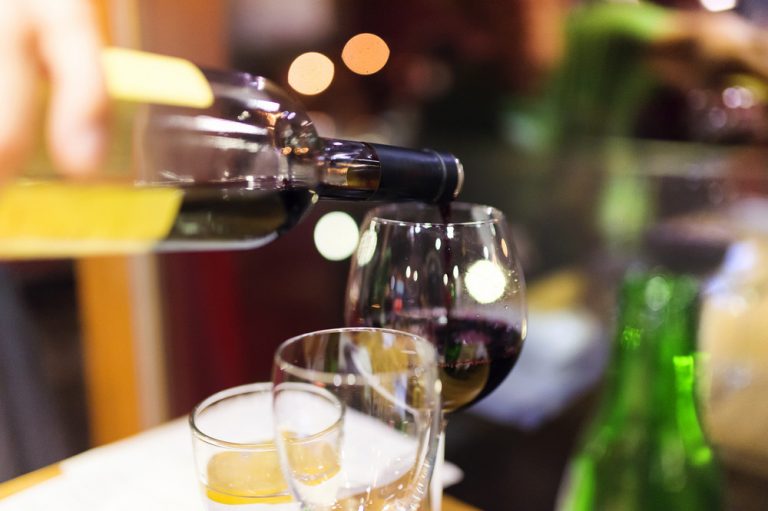
Breathe
When a wine is poured out of the bottle, it breathes, picking up oxygen. This
process destroys unpleasant
aromas
and releases positive ones, often within a few minutes.
Brick
A red-brown color often found in mature red wines.
Bright
Bright describes a fresh-flavored or a clear wine.
Brilliant
A brilliant wine is very clear and transparent. Brilliance is not necessarily a
positive characteristic. The absence of
cloudiness and suspended particles may
indicate an absence of flavor.
Breed
Denotes a wine coming from the noblest grape varieties such as Pinot Noir and
Chardonnay that has been raised as one would raise a rose or a thoroughbred
racehorse.
Briary
A wine with an
aggressive,
spicy
taste. This term is often used to describe California Zinfandels.
Brix
A New World system used to measure the sugar content of grapes
and wine. A reading of 20 to 25 deg. Brix indicates the optimum degree of grape
ripeness at harvest for most table wines.
Browning
Browning denotes
aging in a wine.
A touch of brown at the surface edge of a tilted wine glass indicates that the wine is past its peak,
while still palatable.
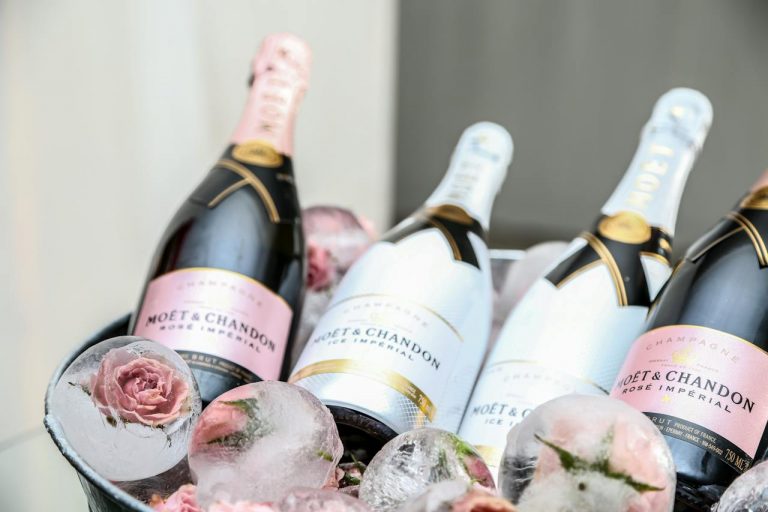
Brut
Brut means dry. This term usually refers to Champagne and other sparkling wines.
While Brut Champagne contains less than 1.5% residual sugar, Extra Dry
Champagne is actually sweeter.
Burnt
Burnt wines taste and smell as if they have been cooked or
baked.
Buttery
Some white wines, particularly Chardonnay, give the
impression of butter. This taste comes from
lactic acid (a component of milk) generated by
malolactic fermentation.
Click to access wine tasting glossary pages:
A B
C D
E F
G H
I J
L
M N
O P
Q
R S
T U
V W
Y Z
Return to www.theworldwidewine.com home page