



Click to access wine tasting glossary pages:
A B
C D
E F
G H
I J
L
M N
O P
Q
R S
T U
V W
Y Z
How well do you think that wine aged in this ancient Egyptian wine pottery?
Acetic
Believe it or not, all wines contain some acetic acid,
commonly known as vinegar. A tiny amount may even add to the flavor. When the
acetic level nears one part in a thousand (0.10%) the impact is negative and
the wine is termed acetic.
Acetic acid
Acetic acid is associated with vinegar. Needless to say, an
excess of acetic acid ruins the wine. But a tiny bit of this acid can heighten
a wine’s
bouquet and flavor.
Acidic
Wines need natural
acidity to
taste fresh and lively, but an excess of acidity
results in an acidic wine that is
tart
and
sour.
Acidity
A wine’s acidity is an integral component of its
taste and
structure, preserving
its
freshness
and permitting it to
age
gracefully. The natural wine acids include
citric,
tartaric,
malic,
lactic,
and
acetic acids. Grapes harvested in
hot years tend less acidic than those harvested in cool years. Similarly, dry
years lead to lower acidity than wet ones. Ideally dry wines contain
between 0.6% and 0.75% volume of acid, while sweet wines should
contain at least 0.70% volume of acid.
Aftertaste
The taste that remains in the mouth after swallowing or spitting out the wine is
known as its aftertaste.
Length
and finish are related terms. A wine’s
aftertaste may be described as
harsh,
hot,
lingering, nonexistent,
short, smooth,
soft or
tannic.
The longer the positive aftertaste, the finer the wine.
Age
As white wines age they tend to change color, evolving from
greenish to yellowish to gold/amber. Young red wines are often purplish. Their
final color, detectable at the edge of the wineglass differs from one wine to
another. Desirable colors include deep red (Bordeaux), brick red (Burgundy)
color, or golden orange. In contrast, a brown-orange tint usually indicates an
excessively aged wine that should be consumed immediately or disposed of.
Aggressive
An aggressive wine is either high in
acidity
or
harsh
tannins, or both. Its
opposite is a
delicate,
refined wine.
Alcohol
A wine’s alcohol is produced by
sugar
fermentation.
A wine’s major taste components include acid,
residual sugars and
tannins (in the case
of reds). Virtually everywhere wine laws require that the alcohol level,
usually expressed as a percentage of the volume, appearing on the label This
value does not usually exceed 14% for non-fortified wines, but exceptions are
numerous.
fortified wines
such as Port and Sherry range from 17% to 21% alcohol
content.
Ampelography
The study of the biological differences and behavior of the vine variety (vineyards).
Ample
An ample wine is rich-flavored and harmonious.
Angular
An angular wine lacks fruit and
roundness.
It is hard and may be too
acidic.
Apple
Certain wines, such as some Chardonnays and Rieslings, smell and taste of apples,
often due to high levels of
malic acid.
Approachable
An approachable wine is drinkable, easy to enjoy without
referring to
vintage charts or
snobbish reviews.
Aqueous
An aqueous wine is watery.
Aroma
The aroma is the smell of a young wine in contrast to the
bouquet which refers to
the more highly evolved smell of a mature wine.
Aromatic
Aromatic wines smell like the vines that engendered them such as Malvasia,
Moscato, Müller Thurgau, and Traminer.
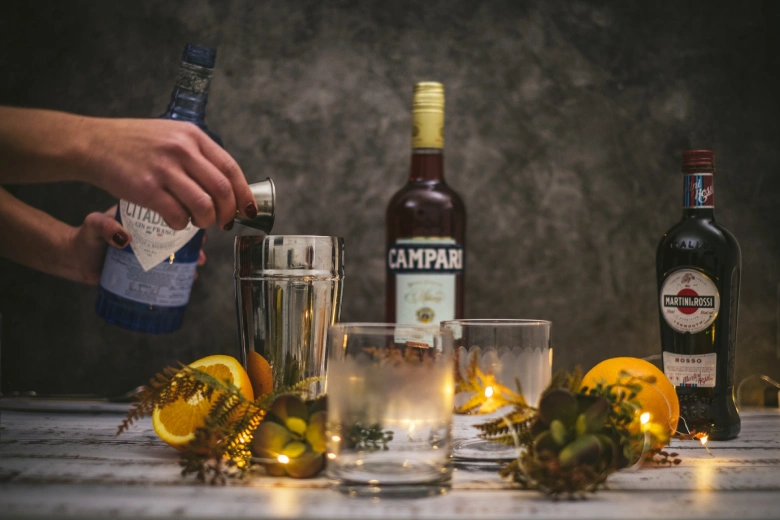
Aromatized wine
An aromatized wine is a
fortified wine to which one or more fragrant substances
such as plants or herbs have been added. Vermouth is a popular example.
Astringent
Astringent wines are
harsh
and
rough,
often due to an elevated level of
tannins.
Sometimes this astringency diminishes with age, producing a fine wine.
Attack
The initial impact of a wine. Wines whose attack is weak are
known as
feeble.
Austere
Austere wines are
hard
and
acidic,
lacking
roundness and depth
of fruit. Some austere wines improve with age. Austerity can occur if the
temperature is too cool or the grapes are harvested too early.
Click to access wine tasting glossary pages:
A B
C D
E F
G H
I J
L
M N
O P
Q
R S
T U
V W
Y Z
Contact Us (webm@theworldwidewine.com)
Site Map
Our Privacy Policy
A Word About Navigation
Home - Fine Wine and Food Pairing